
Microneedling isn’t a one-size-fits-all treatment. It works by encouraging the skin to repair itself, but how the skin responds changes with age.
Collagen levels, healing speed, and overall resilience shift over time, which means your microneedling regimen should shift too. Choosing the right approach at twenty looks very different from what works at forty or fifty.
In this guide, we break down how age affects microneedling results and how to build a routine that matches your skin’s needs. Understanding age-based differences helps you achieve better results while keeping treatments safe, effective, and realistic in the long term.
What Is Microneedling?

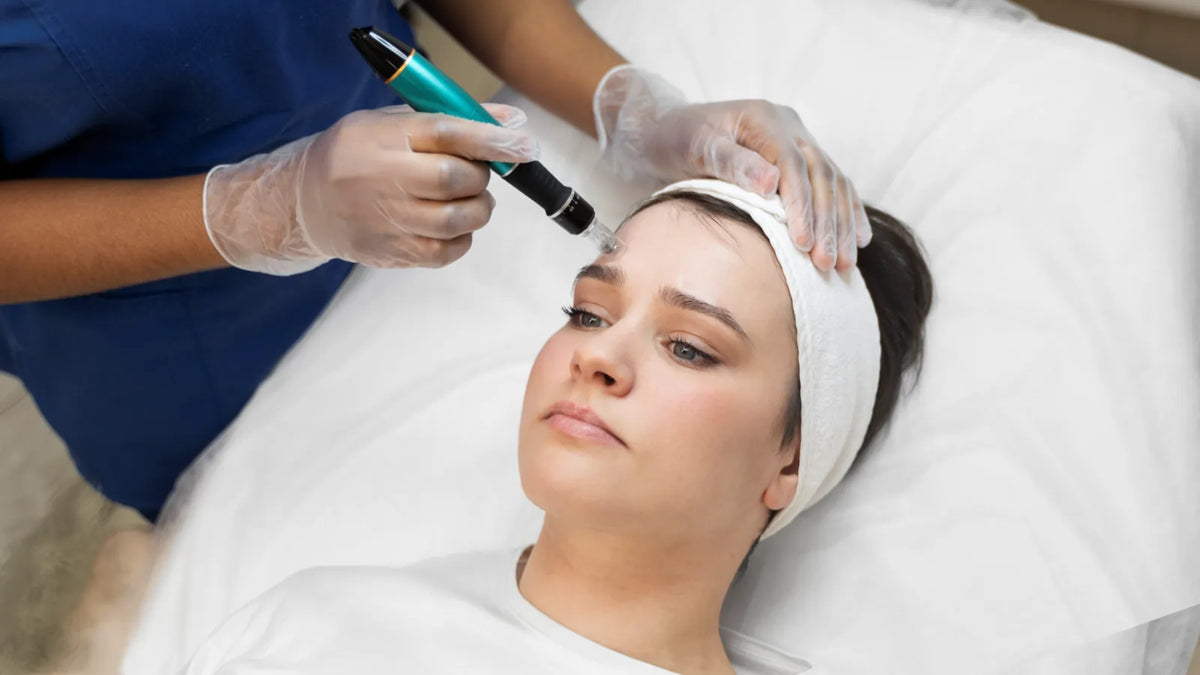
Microneedling is a skin rejuvenation technique that uses fine needles to create tiny, controlled micro-injuries on the surface of the skin. These micro injuries trigger the body’s natural healing response. As the skin repairs itself, it produces new collagen and elastin, two proteins responsible for firmness, elasticity, and smooth texture.
This process helps improve uneven tone, soften fine lines, refine pores, and strengthen overall skin structure. Over time, repeated treatments support healthier-looking skin that feels firmer and more resilient.
A Dr. Pen microneedling pen allows precise control over needle depth and treatment speed, making it easier to tailor sessions to different skin needs. Microneedling cartridges contain sterile needles designed for single use, ensuring clean and consistent penetration with each treatment.
It’s important to remember that microneedling isn’t meant to damage the skin. It’s designed to gently nudge the skin into renewing itself. When used correctly, it helps smooth texture, improves how products absorb, and supports healthier skin over time without harsh treatments. It can be used on the face or body and adjusted to fit both beginners and more experienced users.
With clean tools, proper technique, and a little patience, microneedling becomes a reliable part of an anti-aging routine that focuses on long-term skin health rather than quick fixes.
Why Age Matters in Microneedling?
Age plays a bigger role in microneedling results than many people realize, and understanding how skin changes over time helps treatments work smarter, not harder. Here’s what you need to know:
How Skin Biology Changes With Age
Skin changes with time, and those changes directly affect how microneedling works.
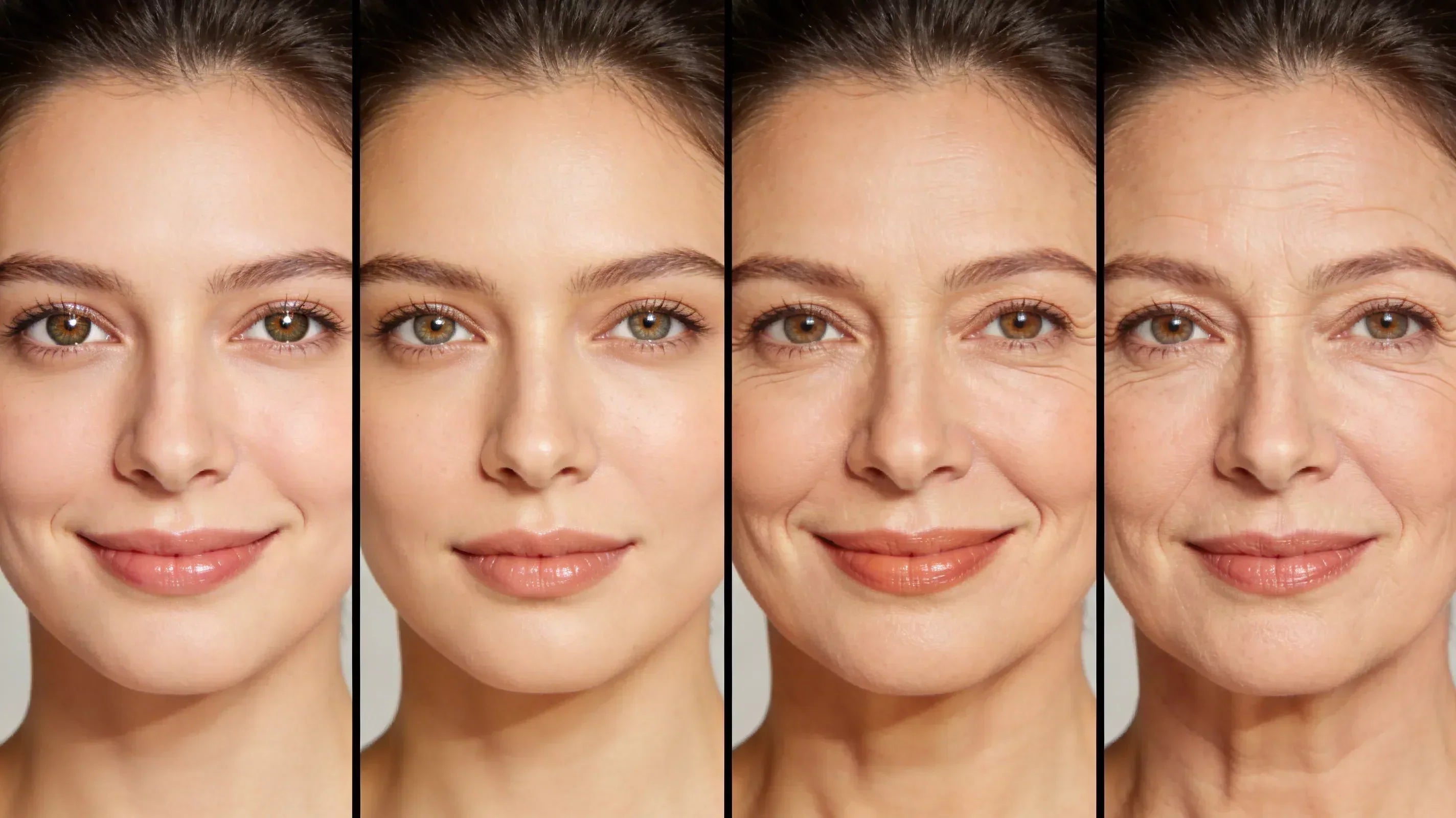
In younger skin, moisture levels are higher, the barrier is stronger, and repair happens quickly. As we age, the skin becomes thinner, drier, and more reactive to stress. These shifts influence how the skin responds to stimulation and how much recovery it needs.
Collagen Levels and Cell Turnover
Collagen production peaks in early adulthood and slowly declines starting in the late twenties. Cell turnover also slows, meaning new skin cells take longer to replace old ones.
Microneedling depends on these processes to work effectively. Younger skin often responds well to light, supportive treatments, while more mature skin benefits from carefully planned stimulation paired with longer recovery.
Healing Speed and Recovery
Healing speed is another key difference. In the twenties, redness fades quickly, and recovery feels easy. By the forties and fifties, inflammation lasts longer, and healing requires more patience. This affects how often treatments should be done and how much stimulation the skin can comfortably handle without irritation.
Why One Regimen Does Not Fit Every Person
Since collagen levels, cell turnover, and healing speed all change with age, one microneedling regimen cannot work for everyone. Age-based routines protect the skin barrier, reduce overuse, and deliver steadier results. When microneedling adapts to skin maturity, treatments feel more comfortable, and progress becomes more predictable across every decade.
Microneedling in 20s: Prevention and Skin Balance.
In your twenties, skin is generally resilient, but early concerns can still appear. Mild acne scars, enlarged pores, uneven texture, and occasional dullness are common. Microneedling in the 20+ age group focuses on prevention rather than correction.
Goal in Your 20s
The main goal is to support skin renewal, balance oil production, and maintain smooth texture. Light treatments help refine pores and improve product absorption without overstimulating the skin. Sessions are usually spaced to maintain consistency while allowing quick recovery.
Needle Depth
A Dr. Pen microneedling pen set to conservative depths works well for this age range. Needle lengths longer than 1 mm should only be used by professionals, even though devices may support deeper settings. Most at-home routines for this age group rely on shallow treatments paired with hydrating and calming microneedling product formulas.
What to Focus On
It’s better to focus on consistency rather than making treatments too aggressive. Overdoing treatments can disrupt the skin barrier, while steady sessions support long-term balance.
With proper technique and gentle aftercare, microneedling in your twenties helps build a strong foundation for healthier skin as it ages. This approach keeps the skin responsive without unnecessary stress.
Starting early with smart habits often reduces the need for aggressive correction later. It also teaches consistency, patience, and respect for recovery. These principles support confidence and comfort as routines evolve.
Result
The result is calmer, more balanced skin that is better prepared for future changes. When microneedling is introduced gradually and guided by realistic expectations, it supports healthier long-term outcomes with fewer setbacks.

A targeted treatment that calms acne inflammation, promotes healing of blemish marks, supports elasticity, and soothes sensitive areas.
Microneedling in Your 30s: First Signs of Aging
In your thirties, the first signs of aging often become noticeable. Fine lines begin to appear, skin tone may look less even, and collagen production starts to slow. While the skin is still capable of strong repair, recovery is not as fast as it was in the twenties.
Goal in Your 30s
Microneedling in this decade focuses on supporting collagen stimulation and maintaining firmness. Treatments may become slightly more intensive, with longer recovery periods between sessions. The goal is to encourage renewal without overwhelming the skin.
Needle Depth
In your thirties, treatments can become slightly more intensive as collagen production slows, but at-home sessions should still use conservative needle depth settings. Allowing proper recovery time afterwards will support healthy collagen formation moving forward.
What to Focus On
Post-procedure skincare becomes especially important. Hydrating serums, peptides, barrier support, and sun protection help maximize results while reducing irritation.
Consistency remains highly important at this stage. With a thoughtful schedule and proper technique, microneedling in your thirties helps slow visible aging while maintaining smooth texture and balanced tone.
These are also the years when getting professional input really helps. A personalized plan can prevent overdoing it and keep skin healthy. Making small adjustments based on how your skin responds helps treatments stay comfortable and effective as your needs change.
Result
In your thirties, balancing visible results with proper recovery helps support long-term skin goals without adding stress or downtime to a busy schedule. This approach keeps skin resilient, smooth, and aging gracefully through consistency rather than intensity.
Microneedling in Your 40s and 50s: Repair and Regeneration
In the forties and fifties, skin regeneration slows significantly. Collagen production decreases, elasticity weakens, and firmness becomes harder to maintain. Wrinkles deepen, and texture may feel thinner or rougher.
Goal in Your 40s and 50s
Microneedling during these decades focuses on repair and regeneration. Treatments aim to improve skin density, refine texture, and support long-term firmness. Results develop gradually and require patience.
Needle Depth
Professional treatments are strongly recommended at this stage. Longer needle settings demand experience, controlled technique, and careful aftercare. Needle lengths longer than 1 mm should only be used by professionals or in clinical settings.
What to Focus On
Recovery becomes the priority in your forties and fifties. Giving the skin time to heal protects the barrier and supports collagen rebuilding. Focusing on guidance from a skincare expert will help ensure microneedling improves both skin comfort and overall quality.
Treatments are usually less frequent, but depth, precision, hydration, sun protection, and proper recovery define success long term.
Result
In your forties and fifties, consistent, well-planned treatments lead to gradual improvements in skin density, texture, and firmness. When microneedling respects aging skin and professional boundaries, results develop steadily without unnecessary trauma or prolonged downtime.

This sophisticated formula combines multiple peptides with pure gold particles to deliver exceptional anti-aging results. Contains Adenosine for wrinkle improvement and 7 different peptides for anti-aging benefits.
Choose the Right Dr. Pen Regimen for Your Skin
Let’s be honest, great skin does not come from copying someone else’s routine. It comes from understanding what your skin needs at each stage of life.
Microneedling works best when it adapts as your skin changes, not when it stays stuck in one approach. Choosing an age-appropriate plan helps treatments feel comfortable, heal properly, and deliver better results over time.
With realistic expectations and reliable tools like Dr. Pen systems, microneedling becomes a long-term skin strategy, not a trend you outgrow. Visit the Dr. Pen website to explore tools, tips, and products that can help you get started or refine your routine!