

Sensitive skin and advanced skincare don't always sound like a good match. Redness, stinging and irritation can make even gentle treatments feel risky. That's why nanoneedling has gained attention among people looking for results without stress.
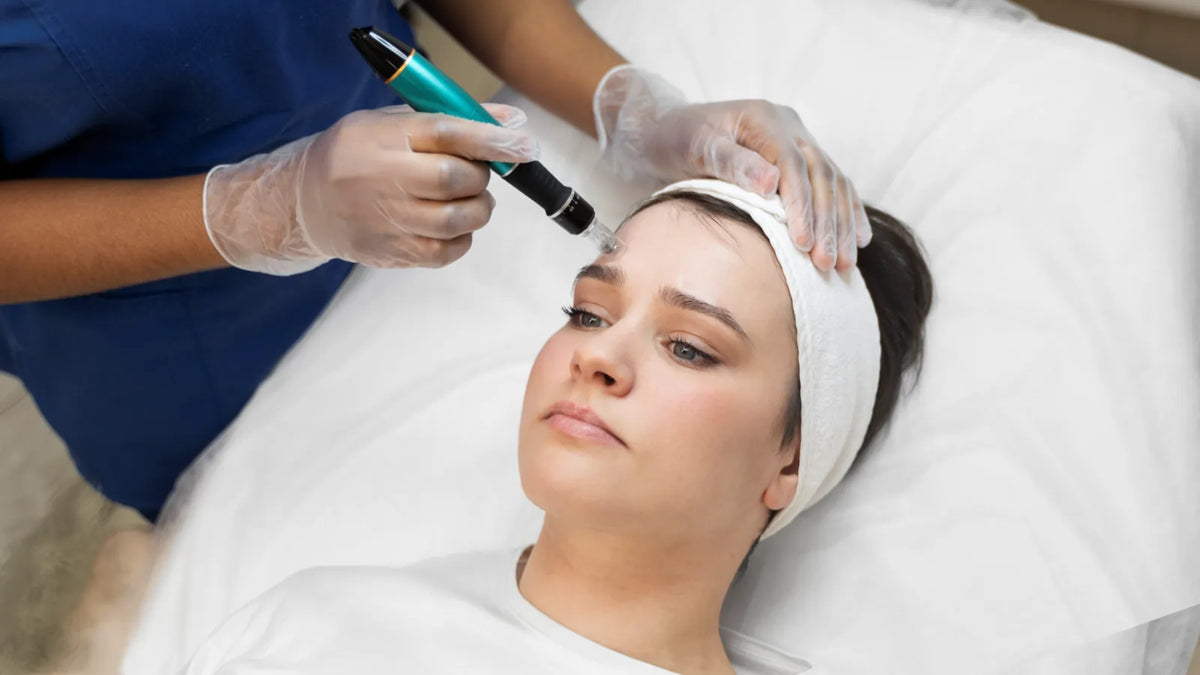
Instead of needles, nanoneedling uses a metal or silicone tip covered in tiny (0.15 mm) cones or hemispheres that do not puncture the skin. This non-invasive approach focuses on improving texture and boosting product absorption rather than aggressive skin remodeling. With modern tools available such as microneedling pen devices and carefully designed Dr.Pen products, many are now asking if nanoneedling is a smart option for sensitive skin.
In this article, we'll break down what nanoneedling is, how it compares to traditional microneedling and whether it's worth trying for sensitive skin.
What Is Nanoneedling?

Nanoneedling is a non-invasive, surface-level treatment that uses a metal or silicone tip covered in tiny (0.15 mm) cones or hemispheres to stimulate renewal without puncturing the skin. Unlike traditional microneedling, which reaches deeper layers to trigger collagen remodeling, nanoneedling works closer to the skin's surface. The goal is gentle stimulation rather than controlled injury.
During nano microneedling, the tip's micro-textured surface gently stimulates the outermost layer of the skin, helping skincare products absorb more efficiently and encouraging mild exfoliation. Because the cones do not puncture the skin, the response tends to feel lighter and more comfortable. Many people describe it as a tingling sensation rather than discomfort.
Nanoneedling focuses on refining texture, improving hydration and supporting the skin barrier. It does not aim to treat deep scars or advanced wrinkles. Instead, it supports glow, smoothness and balance. This makes it appealing for people who want visible improvement without downtime.
Because nanoneedling is non-invasive and requires no lengthy recovery, it is often used more frequently than deeper microneedling. It works well with soothing serums, calming peptides and barrier-supporting ingredients applied immediately after treatment.
How Sensitive Skin Differs
Sensitive skin is not a single skin type, but a pattern of heightened reactivity. Skin considered sensitive tends to respond quickly to triggers that others barely notice. These triggers include skincare ingredients, temperature changes, friction, stress or environmental exposure. Common signs include redness, stinging, itching, tightness, dryness or irritation that appears suddenly and feels difficult to predict.
At the center of sensitive skin is a weakened barrier. The barrier's role is to keep moisture in and irritants out. When it's compromised, water escapes more easily and outside stressors enter faster, leading to inflammation and discomfort.
Why Sensitive Skin Needs Extra Care
Since the barrier is already under stress, sensitive skin recovers more slowly. Redness may last longer and irritation can build instead of fading. Treatments that rely on aggressive exfoliation, strong actives or deep stimulation often feel overwhelming. What works well for stronger skin can push sensitive skin into prolonged discomfort.
This is why gentle care matters. Sensitive skin benefits from controlled techniques, soothing ingredients and predictable routines. Comfort and recovery are just as important as visible results.
Choosing the Right Type of Treatment
Treatment selection plays a major role in how sensitive skin responds. Procedures designed for deep collagen remodeling may be effective, but they can also increase redness and irritation when the skin barrier is fragile.
Sensitive skin often responds better to lighter stimulation that supports renewal without triggering inflammation. The focus shifts toward hydration, texture refinement and barrier support rather than aggressive correction.
Why Nanoneedling Is a Better Option
Nanoneedling is often considered for sensitive skin because it works at the surface level. It does not puncture the skin and instead supports product absorption and gentle renewal through surface-level stimulation. This approach aligns more naturally with the needs of sensitive skin.
For people who want visible improvement without constant flare-ups, nanoneedling may feel more approachable. When done carefully, it allows sensitive skin to benefit from modern techniques while maintaining balance, comfort and long-term skin health.

Backflow prevention. Individually sealed in sterile packaging. ✐ Suited for weekly skin boost and rejuvenation.
Nanoneedling Benefits for Sensitive Skin
Nanoneedling offers several benefits that appeal to sensitive skin, especially for those who want visible improvement without irritation.
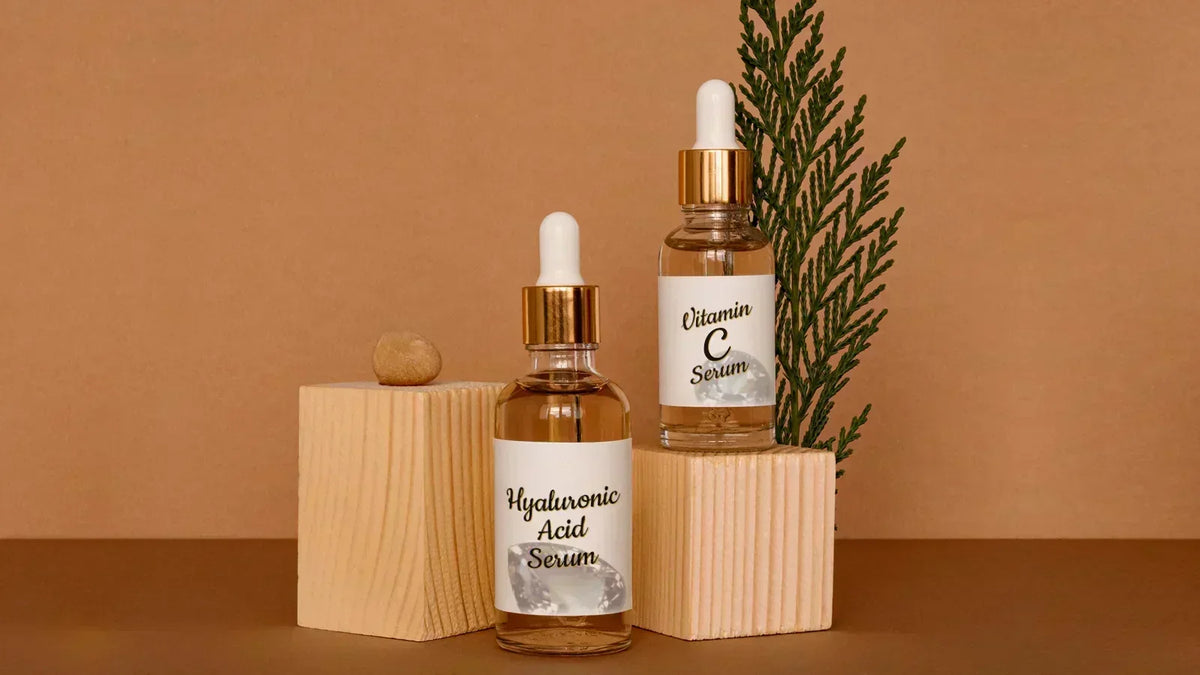
One of the biggest advantages is improved absorption of soothing serums. Because nano microneedling gently stimulates the skin's surface with its micro-textured tip, calming ingredients such as peptides, hyaluronic acid and barrier-supporting formulas absorb more evenly and work more efficiently.
Another benefit is light exfoliation. Nanoneedling gently encourages surface renewal, helping remove dull buildup without the harsh effects of acids or scrubs. This can lead to smoother texture and a healthier-looking glow while keeping the skin comfortable. Many people also report reduced tightness after treatments, since hydration absorbs better and the barrier feels supported rather than stressed.
Compared to deeper microneedling, nanoneedling is generally perceived as more gentle. The sensation is milder, redness tends to fade faster and recovery feels easier to manage. This makes it appealing for sensitive skin that reacts strongly to aggressive treatments.
As one licensed esthetician explains, "Sensitive skin responds best when stimulation stays light and controlled. Nanoneedling allows us to improve hydration and texture without triggering prolonged inflammation." That controlled approach helps sensitive skin feel cared for rather than challenged.
It's important to remember that nanoneedling does not promise dramatic resurfacing, but it supports steady, comfortable progress. For sensitive skin, those small, consistent improvements often matter more than intense treatments that overwhelm the barrier and disrupt balance. It fits easily into gentle routines, allows for regular use when appropriate and helps sensitive skin improve gradually without triggering flare-ups or lingering discomfort after treatments.
Nanoneedling vs Microneedling

Nanoneedling and microneedling may sound similar, but they work very differently and are used for different skin goals. Here's how to tell the difference:
Nanoneedling
Nanoneedling focuses on surface-level treatment using a metal or silicone tip covered in tiny (0.15 mm) cones or hemispheres that gently stimulate the outer skin layer without puncturing it. It improves hydration, texture and product absorption with minimal downtime. Redness is usually mild and fades quickly, making it comfortable for reactive or easily irritated skin.
Nanoneedling suits people seeking glow, smoother texture and barrier support without aggressive stimulation.
Microneedling
Microneedling penetrates deeper layers using longer needles to trigger collagen remodeling. It targets acne scars, deeper wrinkles and firmness concerns. Downtime is longer and redness may last several days.
For sensitive skin, this intensity can feel overwhelming during flare ups or barrier damage.
Which Is Better for Sensitive Skin
A skincare professional explains, "The right treatment depends on tolerance, not strength. Sensitive skin often benefits from lighter stimulation before deeper work." Nanoneedling is preferred during active sensitivity or maintenance phases, while microneedling may suit resilient skin or supervised professional treatments when deeper correction is needed. Choosing between them should consider skin history, recovery goals and professional guidance to avoid irritation and support steady improvement over time.
For many, alternating treatments seasonally provides balance and keeps sensitive skin comfortable without compromising results or triggering unnecessary flare ups.
Potential Risks and Safety
Nanoneedling is often described as gentle, but sensitive skin still deserves careful attention.
Common Reactions
Temporary redness, mild stinging, warmth or light irritation can appear after a session, especially on reactive skin. These responses usually fade quickly, but sensitive skin tends to notice them more than other skin types.
Why Guidance Matters
Since sensitive skin reacts faster, getting professional input can help avoid unnecessary discomfort. A trained provider can recommend treatment frequency, suitable products and aftercare that support calm recovery rather than irritation.
Technique and Safety
Clean tools and good hygiene play a major role in keeping treatments comfortable. Sterile technique, fresh cartridges and gentle handling reduce the risk of irritation.
Cartridge choice matters too. Nanoneedling uses non-invasive tips with micro-textured cones or hemispheres that do not puncture the skin, while microneedling needles longer than 1 mm should only be used by professionals. Although Dr. Pen devices may allow deeper settings up to 2.5 mm, incorrect use can increase inflammation, delay healing and disrupt the skin barrier.
Keeping sessions gentle and well spaced helps sensitive skin respond calmly and comfortably. When safety comes first, nanoneedling stays predictable and easy to maintain as part of a long-term skin routine. This approach supports steady improvement without pushing the skin past its limits or triggering avoidable reactions.

Stayve Repair Cream provides intensive hydration and repair for face and body skin. Ideal for post-procedure care and soothing irritated or damaged skin.
Have Sensitive Skin? Choose Dr. Pen Nanoneedling
If your skin reacts easily, nanoneedling offers a lighter way to see improvement without pushing it too far. By focusing on surface renewal and better product absorption, it supports hydration, smoother texture and everyday comfort.
Nanoneedling does not replace deeper microneedling, but it plays an important role for reactive skin types, especially during maintenance phases or when the skin barrier needs extra care and consistency.
If you're exploring nano microneedling tools or care solutions, visit the Dr. Pen website to learn more, compare options and discover products designed to support gentle, skin-friendly routines with consistent results!