

Do you struggle with hormone issues, and your skin is paying the price for it? You're not alone in that. From unexpected breakouts to fluctuating skin texture, many skin concerns, especially for women, stem from hormonal fluctuations. If you're wondering how hormones and skin are connected, it's a complex, yet manageable puzzle.
This article dives into the different roles hormones play, how these shifts affect skin at various life stages, what hormone causes oily skin, and what treatments, from lifestyle changes to advanced tools like microneedling devices, can help.
Plus, we'll explore more on "what does microneedling do for your skin" with a device from Dr.Pen and how to buy your very own Dr. Pen tools that can support your hormone issues.
Key Hormones That Affect Skin

How to control your hormones is one of the first questions people ask when trying to improve skin health, and it all begins with the basics. These hormones influence how much oil it produces, its collagen strength, hydration levels, and overall balance. Here are some of the key hormones:
- Estrogen: This supports hydration and elasticity. When estrogen drops, skin can become dull, dry, or more prone to wrinkles.
- Progesterone: This hormone can increase oil production. Does progesterone cause acne? In many cases, yes, it does, since it raises sebum levels, which can lead to pore-clogging and acne breakouts.
- Androgens (like testosterone and DHT): Often the culprit behind teenage and adult acne and oily skin. They ramp up oil glands. So which hormone causes acne? Elevated androgens are high on that list.
- Cortisol: Your stress hormone. Elevated levels may trigger inflammation and make issues like acne or dryness more severe.
- Insulin & IGF‑1: High sugar or refined carbs can trigger a spike in these hormones, leading to excess oil and breakouts.
Understanding the delicate balance of these hormones gives insight into proactive skincare and overall health.
Hormonal Skin Changes by Life Stage
A hormonal imbalance in the face skin can happen at any stage of life. Hormonal skin problems usually occur in:
- Teenage Years: An increase in androgens causes excess sebum production and typical teenage acne.
- 20s-30s: Hormonal fluctuations, which are frequently linked to birth control or stress, might cause cyclical breakouts or dullness.
- Pregnancy: Higher estrogen levels can give the skin a glow or cause melasma (the "mask of pregnancy"), while higher progesterone levels may make the skin oilier.
- Perimenopause & Menopause: Estrogen drops cause dryness, thinning, sagging skin, and wrinkles, while cortisol-driven inflammation can make acne flare‑ups return.
Recognizing what causes these changes at each stage can lead to more effective, individualized approaches to controlling hormonal skin disorders.

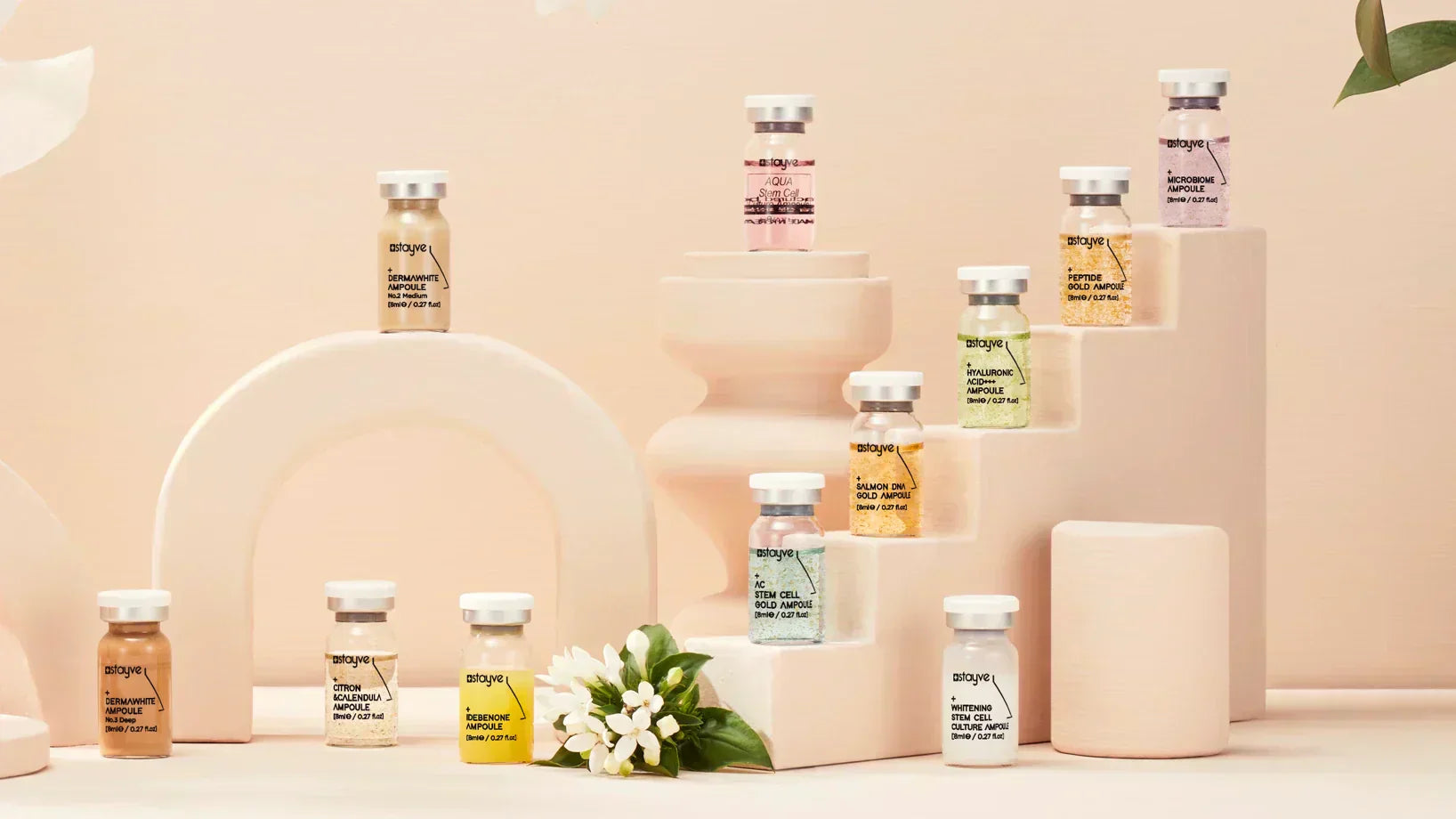
A targeted treatment that calms acne inflammation, promotes healing of blemish marks, supports elasticity, and soothes sensitive areas.
Common Hormone-Related Skin Issues
As we know, hormones play an important role in skin health, and even minor imbalances can cause obvious results.
Some hormone changes symptoms include adult acne, excessive oil production, dryness, sensitivity, and changes in skin texture or tone. Women often notice skin flare-ups during their menstrual cycle, pregnancy, or menopause. Melasma, often called hormonal pigmentation, is frequently connected to shifts in estrogen levels as well. Such imbalances can cause skin dullness, uneven tone, and breakouts along the jawline.
Identifying these signs is essential for choosing the right treatment, as hormonal shifts often need a combined approach that addresses both internal balance and external care.
Diagnosing Hormonal Imbalance

If you feel hormones are causing your skin problems, the first step is to get a proper diagnosis. Healthcare experts often recommend a blood test to determine hormone levels such as estrogen, progesterone, testosterone, insulin, and cortisol. They may also assess symptoms such as irregular periods, mood swings, or exhaustion to identify underlying hormonal conditions.
Keeping a skin diary can help reveal patterns, like breakouts before your period or during times of stress. Dermatologists and endocrinologists who specialize in hormonal imbalances can offer thorough evaluations. Catching these issues early makes it easier to find the right treatment and prevent long-term skin concerns.
Treatment & Management
Taking care of skin concerns caused by hormones usually takes more than one step.
If your symptoms are mild, making changes to your lifestyle, such as eating well, dealing with stress, and getting enough sleep, can help your hormones naturally sort themselves out. For more serious cases, treatments may include hormone therapy, birth control, or anti-androgens. Skincare should center on calming, non-comedogenic products that won't clog pores.
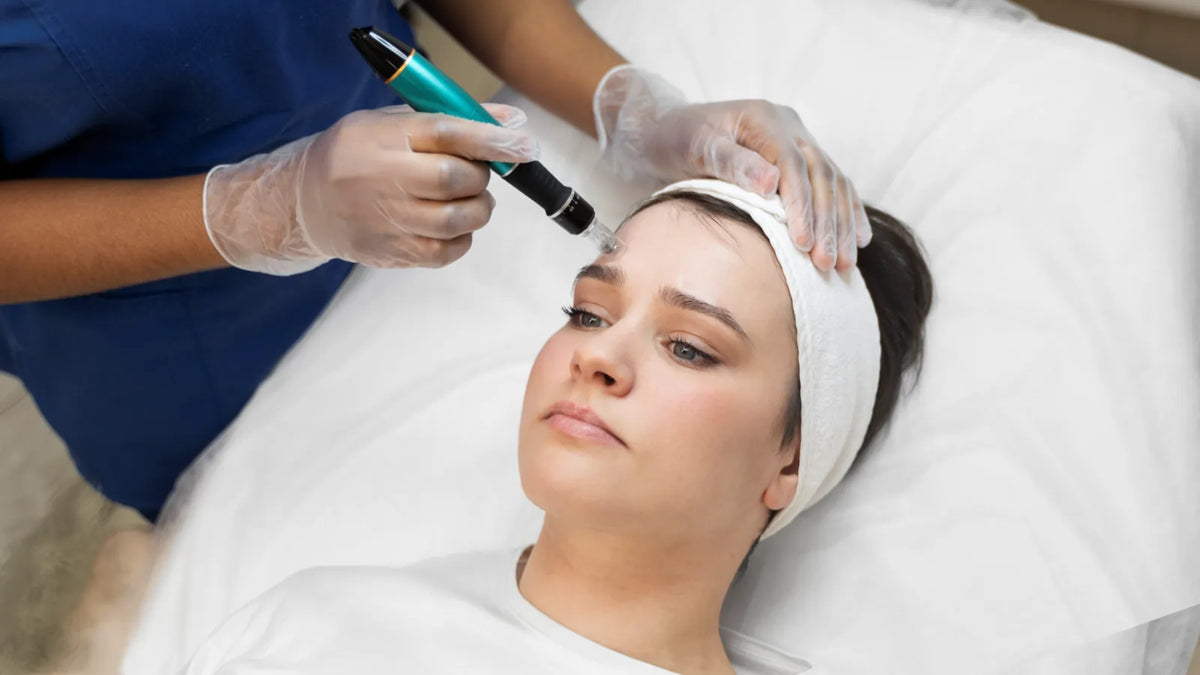
Microneedling devices like the Dr. Pen can improve the structure of your skin, help produce more collagen, and make it easier for your skin to absorb skincare products.
To make a plan that works for your hormones and skin, you should always talk to a professional first.

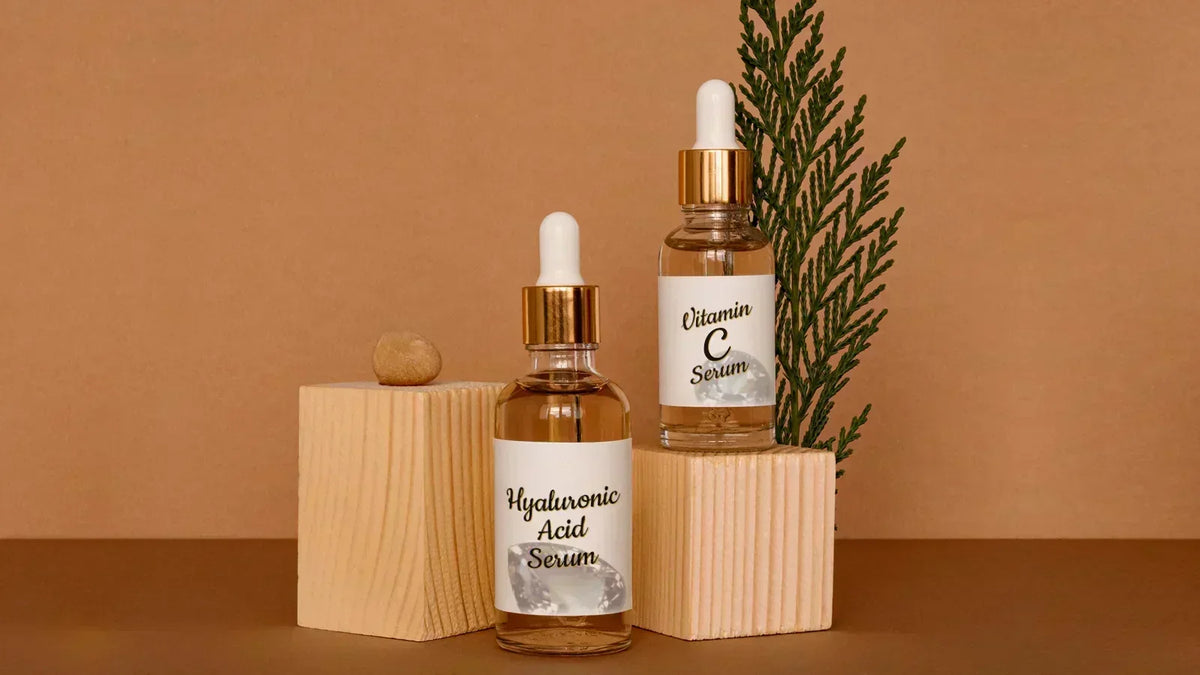
A potent hydrating formula combining pure hyaluronic acid, vitamins, and repair factors to plump fine lines, strengthen skin structure, and restore radiance.
Treat Your Skin the Right Way with Dr. Pen
Women worldwide face the impact of hormonal changes. Understanding what hormone causes oily skin or does progesterone cause acne, to tools like microneedling devices from Dr. Pen, you can take control.
Explore our hormone-focused skincare and buy Dr Pen for your very own enhanced results. Your glowing skin awaits!