
Skin rejuvenation gains steady attention as more people look for methods that brighten, hydrate, and refine their complexion. Two treatments stand at the center of this demand: microneedling and mesotherapy. Each delivers visible improvement, yet they work through different pathways within the skin.
Many people compare mesotherapy microneedling routines or explore combined approaches like meso microneedling, and the interest grows as more users share impressive transformations from it.
Microneedling mesotherapy trends are rising, and brands such as Dr. Pen help make these treatments more accessible with reliable devices and steady performance.
In this guide, you’ll get a clear look at how each treatment works, what they offer, and how to choose the one that matches your needs.
What Is Microneedling?

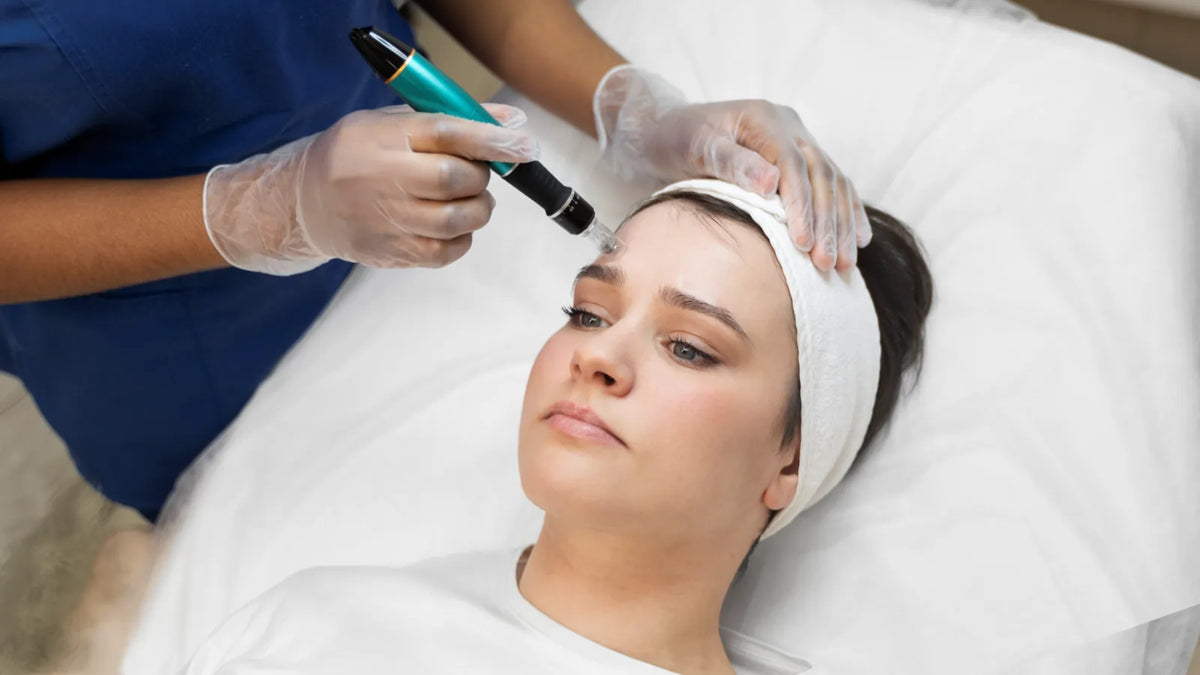
Microneedling uses fine needles that create controlled micro-injuries across the surface of the skin. These tiny channels activate collagen and elastin responses, helping the skin gain firmness, clarity, and renewed texture. The micro-channels also improve absorption, making serums penetrate deeper layers with increased impact.
Concerns treated with microneedling include wrinkles, uneven texture, enlarged pores, and visible acne scars. Many users appreciate that microneedling works with the skin’s own healing cycle, helping improvement appear gradually and naturally. Needle lengths vary, and lengths longer than 1 mm should only be used by professionals. The maximum needle length in all Dr. Pen devices is 2.5 mm.
Overall, Dr. Pen offers options for various experience levels, including professional microneedling pens and at-home models. Tools like the Dr. Pen M8S and Dr. Pen A11 help users perform treatments with precision and steady needle movement, supporting a smoother routine and reliable long-term results.
What Is Mesotherapy?

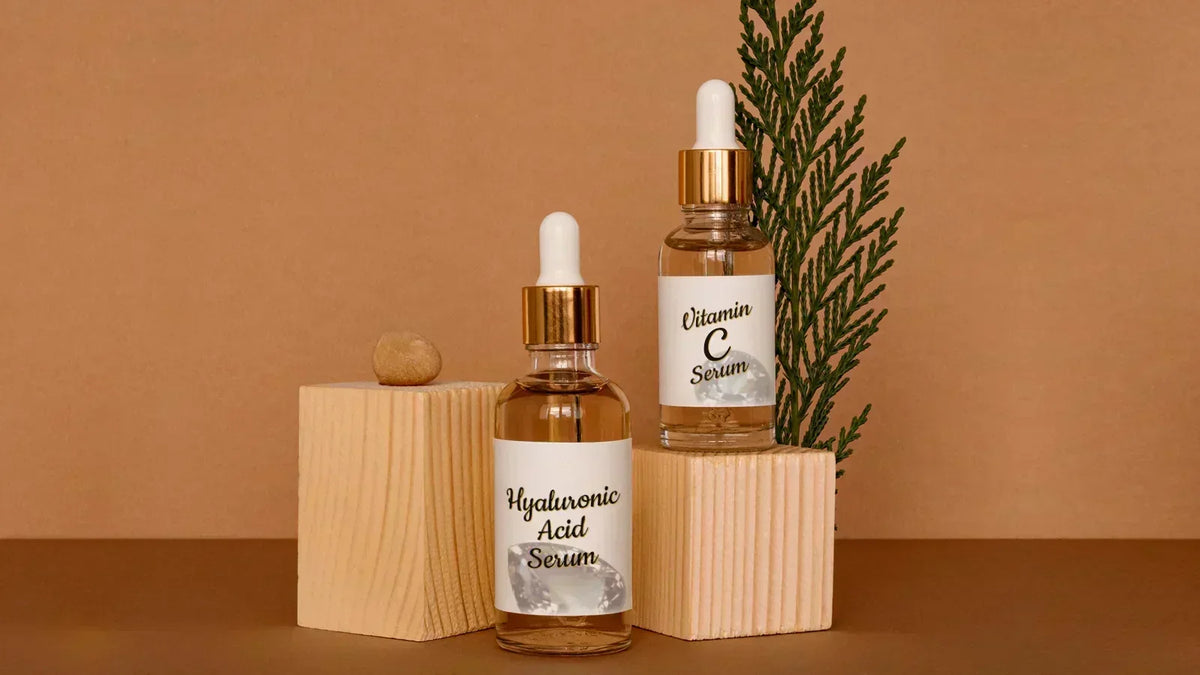
Mesotherapy is a skin treatment that delivers a customized blend of vitamins, peptides, antioxidants, or hyaluronic acid directly into the skin’s middle layer. These microinjections supply hydration, nutrients, and glow-boosting ingredients exactly where the skin needs them.
The goal of mesotherapy is to brighten, plump, and balance the complexion while supporting ongoing hydration. Unlike microneedling, mesotherapy does not create micro-injuries for collagen stimulation. Its focus remains on delivering a concentrated nutrient mix beneath the surface.
This method suits dull or dehydrated skin that needs radiance and restored vitality. Mesotherapy is performed by licensed professionals because it involves injections or specialized devices designed for controlled delivery.
Formulas such as the Medisco Meso PDRN, and Medisco Meso Glutathione support advanced mesotherapy sessions by supplying the skin with targeted ingredients that enhance glow, smoothness, and hydration levels.
Main Differences
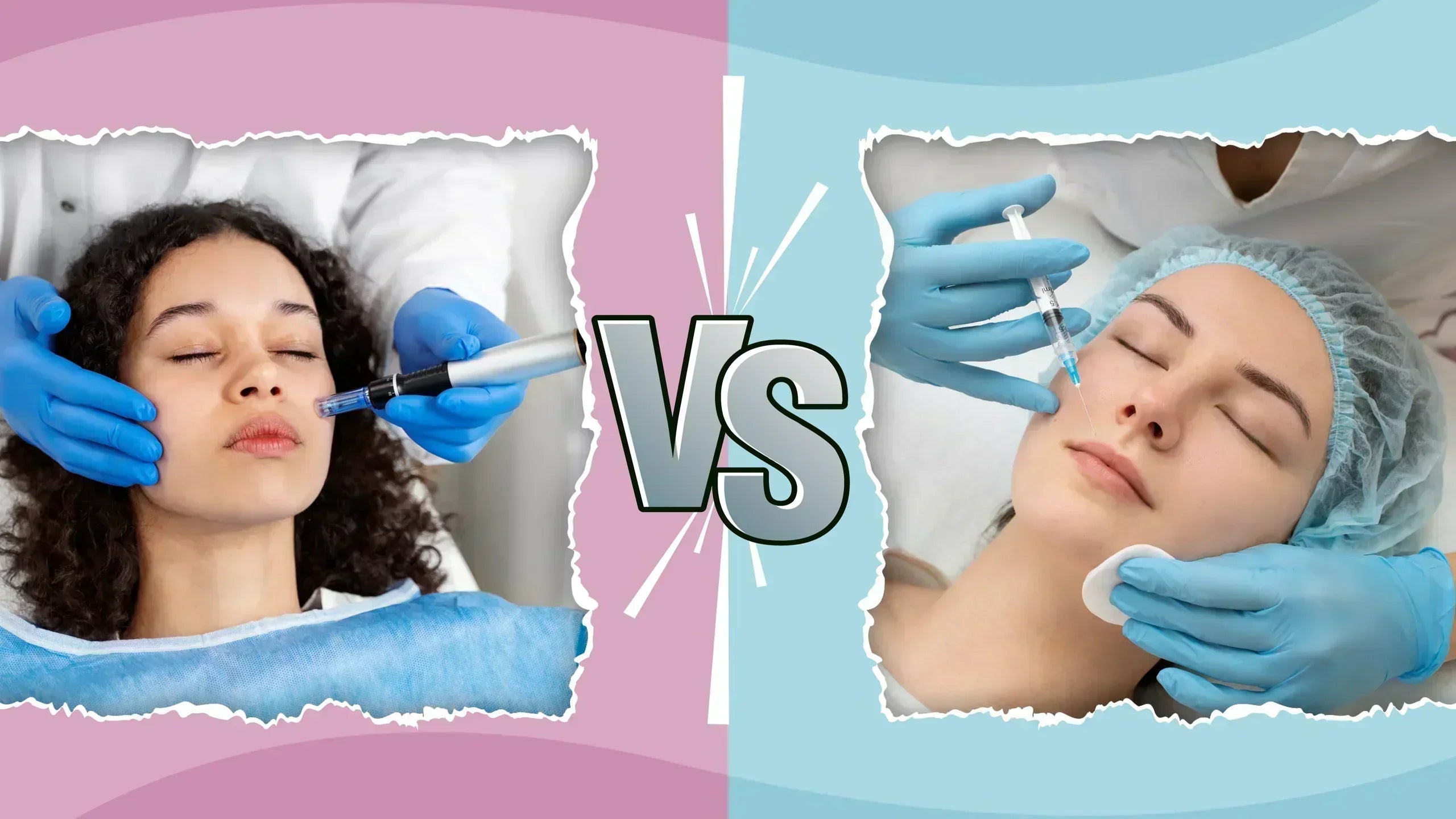
Microneedling and mesotherapy both support skin improvement, yet they work in distinct ways. Many people compare mesotherapy vs microneedling because the two treatments target different layers and concerns. Microneedling focuses on collagen remodeling, while mesotherapy focuses on nourishment and hydration.
Understanding these differences helps users choose the method that fits their needs. Here’s a general breakdown of the two and their main differences:
Technique and Depth
Microneedling creates micro-channels on the surface using fine needles. These channels trigger collagen and elastin responses that support stronger texture and refined tone. Needle lengths vary, and only professionals use lengths longer than 1 mm.
Mesotherapy delivers blends of vitamins, peptides, or hyaluronic acid into the middle layer of the skin. This approach aims to boost hydration, radiance, and nutrient balance without creating controlled micro-injuries. This procedure is performed only by doctors and cosmetologists who have undergone special training.
Targeted Results
Microneedling suits concerns such as uneven texture, scars, enlarged pores, and early signs of aging. It strengthens the skin through natural remodeling.
Mesotherapy suits dullness, dehydration, and tired-looking skin. It enhances glow and improves moisture levels with ingredient-rich formulas.
Recovery and Downtime
Microneedling may leave the skin slightly red or tight at first, but this settles as the healing process begins. Using calming serums suited to each stage of recovery helps keep the skin comfortable and balanced. You can continue your daily routine in 24-72 hours after procedure.
Mesotherapy may cause mild swelling or tenderness in areas where the nutrient blend enters the skin. This fades as the formula settles and hydration levels rise, giving the skin a refreshed look once the ingredients start working. On average, skin recovery takes from 3 to 7 days, depending on the skin type and the composition of the cocktail.
Frequency of Sessions
Microneedling sessions occur every two to six weeks to allow collagen to form and create steady improvement.
Mesotherapy sessions occur every one or two weeks at first, followed by maintenance treatments spaced apart once brightness and hydration improve. The pace of each treatment style depends on individual goals and how the skin responds.
Comfort Level
Microneedling feels like controlled pressure across the face and remains manageable for most users.
Mesotherapy feels like small, precise injections that place ingredients beneath the surface.
Both methods stay comfortable when performed with proper technique and steady movement.
Side-By-Side Comparison
Choosing between microneedling and mesotherapy becomes much easier once you understand what each one does best. One builds structure, the other boosts brightness.
This comparison lays out the key distinctions so you can see which treatment aligns with the results you want.
Benefits:
- Microneedling: Collagen remodeling, texture improvement, and refined pores.
- Mesotherapy: Hydration, glow, and nutrient delivery.
Treatment Depth:
- Microneedling: Surface micro-channels.
- Mesotherapy: Middle-layer infusion.
Treatment Frequency:
- Microneedling: Monthly treatments.
- Mesotherapy: Weekly or biweekly treatments.
Combination Treatments
Some users combine both approaches under professional guidance. A layered routine such as meso microneedling blends structural renewal with enhanced hydration, creating balanced improvement for texture and radiance.
This combined path offers a complete rejuvenation plan that supports long-term skin strength and glow for both women and men.

A powerful antioxidant serum that neutralizes free radicals, promotes DNA repair, brightens skin tone, and delivers visible anti-aging results.
Results and Benefits
Now that the basics are covered, we can shift the focus to what really matters: the results and the benefits.
Both microneedling and mesotherapy improve the skin, but they do it in completely different ways. Because each one brings its own type of result, a side-by-side comparison makes it easier to see which approach fits your goals.
How Microneedling Improves the Skin
Microneedling strengthens the skin by stimulating collagen production within deeper layers. As collagen builds, the skin feels stronger and looks noticeably firmer. Scars appear softer, texture smooths out, and fine lines become less visible. Enlarged pores often look more refined as the skin gains strength.
The micro-channels created during treatment improve serum absorption, giving active ingredients a greater impact during recovery. When paired with targeted formulas, microneedling supports lasting clarity and balanced tone. Devices such as the Dr. Pen M8S and Dr. Pen A11 guide the needles with steady motion, helping treatments stay controlled and dependable.
How Mesotherapy Enhances Radiance
Mesotherapy focuses on brightness, hydration, and energy within the skin. Nutrient-rich blends help the complexion appear plump and revitalized. Ingredients such as peptides, hyaluronic acid, and botanical extracts support glow and balanced moisture.
People often choose mesotherapy during times when the skin feels dry or fatigued. Formulas such as the Medisco Meso PDRN, and Medisco Meso Glutathione support this approach by supplying blends that enhance radiance and strengthen hydration.
Who Benefits Most?
Experts often describe microneedling as a remodeling treatment because it supports bigger structural changes within the skin. Mesotherapy is known for its revitalizing effect, bringing hydration and brightness to the surface.
Microneedling tends to deliver longer-lasting improvement thanks to ongoing collagen growth. Mesotherapy helps the skin stay bright and refreshed with consistent upkeep.
Microneedling is a strong choice for those dealing with uneven texture, visible scars, or early signs of aging. Mesotherapy works well for anyone looking to boost hydration, brighten their complexion, and create a more balanced, healthy tone.
Safety and Downtime
Microneedling and mesotherapy each call for careful handling, clean tools, and supportive aftercare to ensure a healthy recovery.
Users should follow guidance from professionals when selecting needle lengths or treatment formulas. Needle lengths that are longer than 1 mm should only be used by medical experts, and Dr. Pen devices maintain a maximum needle length of 2.5 mm.
Right after microneedling, it’s common for the skin to show some redness and feel a little warm or tender. These effects come from the body’s natural response to micro-injuries. The skin should receive gentle, hydrating products that match the recovery stage. Product choice depends on the time that has passed since the procedure. Sun exposure should also be limited until redness calms.
Mesotherapy may lead to swelling or slight tenderness where injections were placed. These effects usually fade as the nutrient blend settles. Hydration, mild cleansers, and soothing formulas help support recovery. As with microneedling, aftercare products should match the healing stage.
Both procedures require clean environments and sterile equipment. Professional oversight ensures correct technique, proper ingredient selection, and safe treatment depth. With careful preparation and balanced aftercare, microneedling and mesotherapy remain reliable options for individuals seeking renewed, healthier skin.
Choosing the Right Treatment
Choosing between microneedling and mesotherapy depends on specific concerns.
Microneedling suits individuals seeking support for texture issues, scars, enlarged pores, or visible signs of aging. It strengthens the skin by encouraging collagen renewal and long-term structural change. Mesotherapy suits individuals who want brighter, hydrated skin with improved radiance and balanced tone. Its nutrient blends help the complexion appear plump, refreshed, and energized.
Some people benefit from combining both treatments, especially when guided by a licensed practitioner. A combined plan can deliver hydration while still supporting collagen remodeling. Discussing goals with a professional helps choose the right path and ensures the skin receives appropriate care through each stage of recovery.

A bio-energizing treatment that restores cellular energy, accelerates DNA repair, strengthens skin resilience, and delivers deep hydration for visibly revitalized, youthful, and radiant skin..
Find the Right Skin Treatment for Your Goals With Dr. Pen
Microneedling and mesotherapy each offer valuable results, yet they support different needs within the skin. Microneedling renews structure and improves texture, while mesotherapy restores moisture, radiance, and vitality.
Many people use both treatments for balanced, long-term skin health. Dr. Pen tools and Stayve formulas support a wide range of routines, helping users create personalized plans that match their goals.
Explore devices, serums, and advanced skincare options at Drpen.net, or contact us to speak with a trusted skincare professional to determine the best path for your complexion!