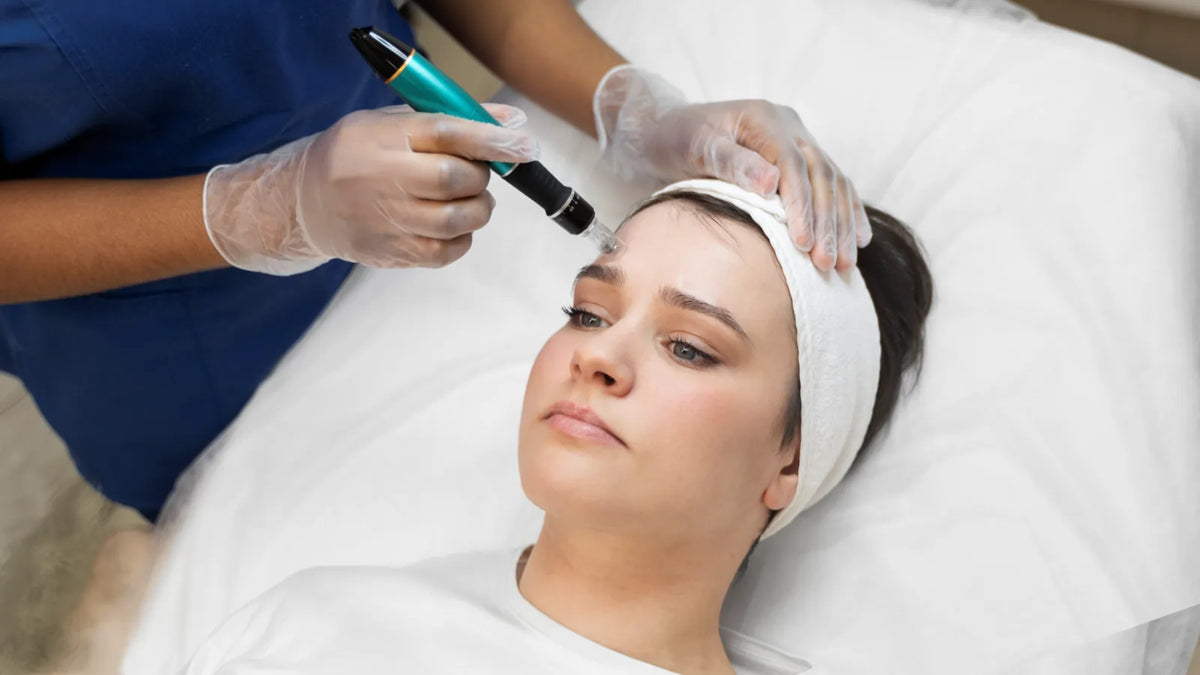

Microneedling is a popular minimally invasive procedure that can improve skin texture, reduce the appearance of fine lines and wrinkles, and stimulate collagen production. However, achieving optimal results extends beyond the treatment itself.

This article will guide you through essential post-microneedling skincare practices, including:
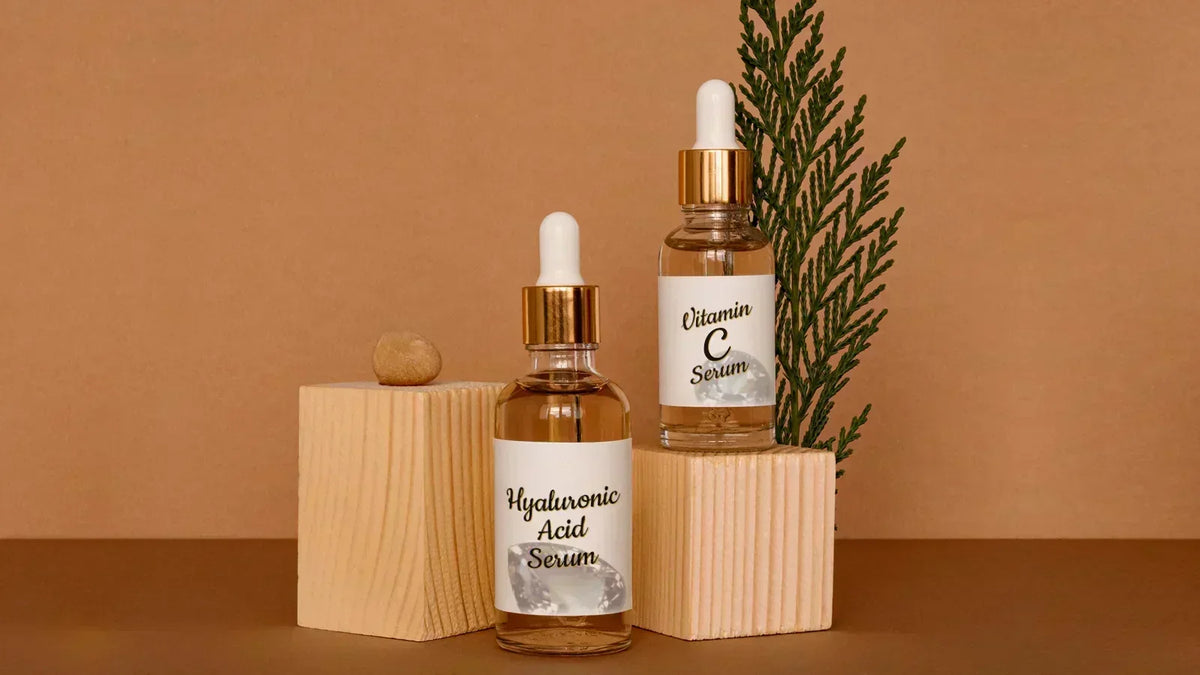
What to put on the face after microneedling: Understanding the importance of hyaluronic acid after microneedling and when to introduce other serums, such as vitamin C and vitamin E oil.
What to use after microneedling: Exploring a range of products to use after microneedling, from post-microneedling serums to gentle cleansers.
How often do I apply hyaluronic acid after microneedling? Addressing common questions about product usage and developing a safe and effective post-microneedling skincare routine.
Keep in mind that the day-by-day timeline below reflects typical averages, not strict rules. Redness and swelling can last up to about five days, and everyone heals at a different pace depending on skin type and needle depth. Use these phases as a guide, but let the actual condition of your skin decide when to move on — and stay out of the sun until it has fully healed.
By following these guidelines, you can maximize the benefits of your microneedling treatment and reveal healthier, more radiant skin.
Post-treatment Phases
Phase 1: The Haemorrhage Phase — 1-10 Minutes Post-Microneedling
Within the first 10 minutes following a microneedling procedure, the skin undergoes a critical "Haemorrhage Phase." During this period, micro-injuries trigger a cascade of physiological events. Nutrient-rich blood floods the newly created microchannels, delivering essential growth factors and oxygen to initiate healing. Simultaneously, the body releases a complex interplay of inflammatory mediators, including adrenaline, prostaglandin, and serotonin. These signaling molecules orchestrate the initial stages of repair, stimulating platelet aggregation and the formation of a protective clot.
What to Put On Face After Microneedling:
- Limit topical applications to lukewarm water or a high-molecular-weight hyaluronic acid serum to minimize the risk of infection and optimize healing during this delicate phase. This serum provides a soothing, hydrating barrier while facilitating optimal nutrient delivery to the micro-injured skin.
- Ask your provider whether non-contact red LED light therapy is appropriate for your treatment and skin condition to reduce inflammation and accelerate healing. To prevent contamination, ensure the device does not directly contact the skin.
- Immediately after treatment, use only the products and timing specified by a licensed provider. Do not apply ordinary cosmetics to actively bleeding or visibly open skin.

A potent hydrating formula combining pure hyaluronic acid, vitamins, and repair factors to plump fine lines, strengthen skin structure, and restore radiance.
Phase 2: The Inflammatory Phase — Days 1-3 Post-Microneedling
The subsequent 2-3 days constitute the "Inflammatory Phase." Platelets, activated by the micro-injuries, release a potent cocktail of growth factors and cytokines. These signaling molecules orchestrate the inflammatory response, recruiting neutrophils and macrophages to the treatment site. These immune cells help clear cellular debris and respond to potential pathogens during early repair.
Concurrently, the key skin architects, fibroblasts, are drawn to the microchannels. These specialized cells produce collagen and other extracellular matrix components, laying the foundation for tissue repair and rejuvenation.
Mild Inflammation: Mild swelling, redness, and pinpoint bleeding are common during this phase.
What to Put on Skin After Microneedling:
- Hydration is Key: Maintaining optimal hydration is paramount to alleviate dryness, flaking, and discomfort.
- Two newer additions can support a simple, phase-based routine: Medisco Skinbooster Hyaluronic Acid for hydration after the skin surface has closed, and Medisco Peelieve Cica Cream for later moisturization once sensitivity has settled.
- Consult your healthcare provider if you experience any unexpected or severe side effects.
The Proliferation & Fibroblastic Phase 3: Days 4-14 Post-Microneedling

From days 4 to 14, the skin enters the "Proliferation & Fibroblastic Phase," a period of intense cellular activity. Fibroblasts become highly active, synthesizing new collagen and elastin fibers to rebuild the skin's structural integrity.
What to Apply After Microneedling:
- Incorporate nourishing oils like kiwi seed oil and linseed oil to support cellular regeneration and replenish lipid barriers.
- Utilize antioxidants such as vitamin C after microneedling and vitamin E oil after microneedling to protect against free radical damage and promote collagen synthesis.
- Continue using hyaluronic acid to maintain optimal hydration.
- Introduce vitamin C after microneedling cautiously after day 7 to minimize the risk of irritation.
- Reintroduce cleansing gently: for the first three days use only lukewarm water and clean fingertips, then from day 4 switch to a mild, fragrance-free, non-foaming cleanser applied without rubbing, scrubbing, or washcloths. This removes impurities without stripping the recovering barrier.
- Avoid harsh scrubs or chemical exfoliants that may disrupt the delicate healing process.
- Retinoids (vitamin A derivatives) can enhance collagen production. However, they should be introduced cautiously only after redness, sensitivity, and flaking have resolved and the skin barrier has recovered, not earlier then after day 7 to minimize the risk of irritation. Avoid high-strength retinoids (≥0.25%) until at least day 14. Follow your provider’s instructions rather than a fixed calendar date.
- Minimize sun exposure during this phase. Consistent use of broad-spectrum sunscreen with an SPF of 30 or higher is essential to protect the newly forming collagen and prevent photoaging.
The Remodeling & Maturation Phase 4: Post-Treatment Skin Recovery & Enhancement
The final phase of recovery involves tissue remodeling and maturation. Fibroblasts continue to deposit collagen, creating a more robust and resilient dermal architecture. This phase often coincides with a noticeable skin texture, tone, and radiance improvement.
What to Put on Your Face After Microneedling:
- Resume your regular skincare regimen, including cleansing, toning, applying serums, and moisturizing.
- Prioritize Sun Protection: Daily application of broad-spectrum sunscreen is non-negotiable.
- Consider Nutritional Support: Supplementing with a multivitamin containing vitamins A, C, E, and omega-3 fatty acids can provide essential nutrients for optimal skin health.

A soothing post-treatment cream that restores the skin barrier, locks in moisture, eases redness, and promotes faster surface healing.
Post-Treatment Nanoneedling
From day 14 onwards, consider complementary nanoneedling treatments. This minimally invasive procedure utilizes finer needles for shallower penetration, enhancing product absorption and stimulating subtle collagen production.
Benefits of Post-Treatment Nanoneedling
- Enhanced Product Absorption: Significantly improves the delivery of topical skincare products.
- Radiant Skin Glow: Instantly enhances skin luminosity and radiance.
- Improved Hydration: Increases skin moisture levels for a more supple and plump complexion.
- Boosted Collagen Production: Stimulates subtle collagen synthesis for improved skin firmness and elasticity.
- Minimal Downtime: Allows for immediate resumption of daily activities.
- Pain-Free: Typically well-tolerated with minimal discomfort.
- Suitable for All Skin Types: Gentle enough for most skin types.
This information is for general knowledge and informational purposes only and does not constitute medical advice. Always consult with a qualified healthcare professional for personalized guidance and treatment recommendations.
Potential Risks of Deviating from Post-Microneedling Protocols

Failing to adhere to the recommended post-microneedling protocol can increase the risk of unwanted side effects and potentially compromise the treatment outcomes.
- Risk of Chemical Burns. Prematurely introducing potent active ingredients such as vitamins A (retinoids) and C can irritate the newly created microchannels, potentially leading to chemical burns. Chemical burns occur when the skin comes into contact with an irritant and causes an adverse reaction.
- Risk of Granuloma Formation. While rare, introducing ingredients too early into the healing process can increase the risk of granuloma formation. Granulomas are small, localized collections of immune cells that form in response to chronic inflammation. In microneedling, they can arise from an inappropriate introduction of foreign substances into the skin.
- Potential for Permanent Skin Damage. While the risk is low, deviating from the recommended aftercare protocol can theoretically increase the risk of permanent skin damage, although this is highly uncommon.
Importance of Adhering to Protocols
Hyaluronic Acid: Hyaluronic acid is a naturally occurring substance in the skin and is generally well-tolerated after microneedling. It provides essential hydration and supports the healing process.
Key Considerations:
- Consult with your provider: Always follow your provider's specific post-treatment instructions.
- Prioritize safety: Exercise caution when introducing new products after microneedling.
- Before first use of any product, perform a patch test on a small area of intact skin and wait at least 24–48 hours. Do not use the product if redness, burning, itching, swelling, or a rash develops.