

Looking at your skin rejuvenation options and not sure which one to choose? Both microneedling and fractional laser resurfacing are popular treatments for improving skin texture, tone and firmness. They aim to reduce wrinkles, scars and pigmentation, but they work in very different ways.
If you’ve come to this blog to compare microneedling vs fractional laser, you’re in luck. We’re going to walk you through the microneedling laser treatment process, the key differences, as well as answer the burning question: “Is microneedling better than laser”.
What Is Microneedling?

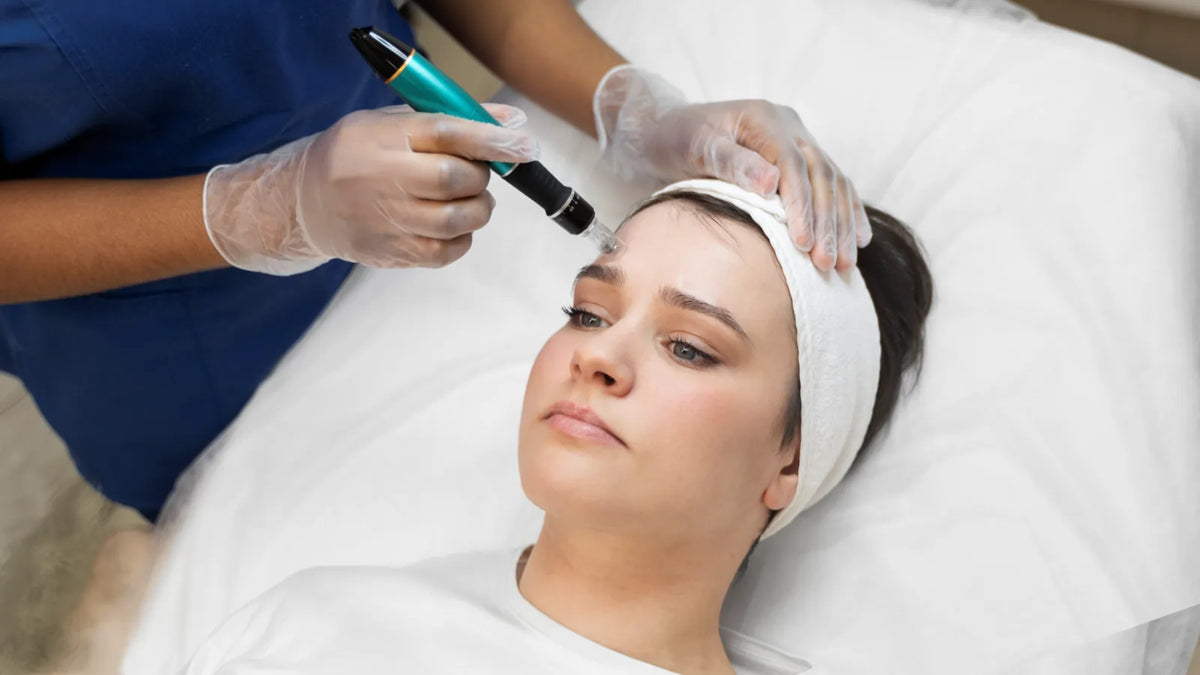
Microneedling, also known as collagen induction therapy, is a non-invasive procedure that stimulates the skin's natural repair mechanisms. The process uses a device with tiny, sterile needles that make small, controlled punctures on the skin’s surface. These micro-injuries trigger the body’s natural healing process, helping it produce more collagen and elastin.
Collagen and elastin are essential building blocks for keeping skin tight, smooth and elastic. As we age, our bodies create less of these proteins, which causes wrinkles, sagging and uneven texture. Microneedling helps to counteract this by rebuilding the skin from within.
The benefits include smoother skin, smaller pores, fewer fine lines and improvement in mild acne scars and pigmentation. Treatments can be done in clinics or safely at home using professional devices like the Dr. Pen M8S, Dr. Pen A6S or Dr. Pen A11. These tools let you adjust needle depth for precise and consistent results.
With proper hygiene, single-use cartridges and gentle aftercare, microneedling offers noticeable improvements with minimal downtime.
What Is Fractional Laser Resurfacing?

Fractional laser resurfacing is an advanced skin treatment that uses focused light energy on small areas of the skin. The laser gently removes or heats tiny sections of tissue while leaving nearby skin untouched. This process helps the skin heal faster and boosts the production of new collagen and healthy cells.
There are two types of fractional lasers: ablative and non-ablative. Ablative lasers remove the outer layer of damaged skin, giving stronger results but requiring more recovery time. Non-ablative lasers work deeper in the skin without removing the surface, leading to less downtime but slower, gradual improvement.
Deeper wrinkles, sun damage, stubborn pigmentation and prominent acne or surgical scars can all benefit from fractional laser treatments. The treatment should only be done by trained professionals in a clinic because it needs careful control of the laser and cooling systems. While the results can be impressive, recovery may include some redness, peeling or slight swelling for a few days.
In simple terms, fractional lasers use light energy to renew and rebuild the skin. They offer deeper rejuvenation than most creams or serums but are more intense and need a longer recovery period compared to microneedling.
Key Differences Between Microneedling and Fractional Laser
Now that we’ve gone over the basics, let’s check out the differences. Both treatments rejuvenate the skin by triggering collagen production, but they differ in how they work, how they feel and how long it takes to recover. Here’s a closer look at microneedling vs laser resurfacing:
Technology
Microneedling
Microneedling works mechanically. Tiny needles create controlled micro-injuries that stimulate natural healing. No heat is used, which makes it gentle and suitable for most skin types.
Fractional Laser
Fractional laser works through light energy. Focused beams of laser light remove or heat sections of skin tissue, encouraging collagen formation at a deeper level.
Overview
Microneedling relies on physical precision, while fractional lasers depend on energy and thermal response. Microneedling can be done more frequently and easily maintained as part of a long-term skincare plan, while lasers are usually spaced farther apart due to their intensity.

With your youthful, fresh, glowing skin, only your passport will show your age, and you’ll enjoy new self-confidence. A6S is an improved A6 classical model. Speed memory function.
Downtime
Microneedling
Microneedling usually involves very little downtime. It’s common for the skin to look a bit red or puffy for a few days after treatment, and most people feel comfortable wearing makeup again within a day or two.
Fractional Laser
Fractional laser treatments often take longer to heal. Redness, peeling and slight sensitivity may last for several days, and in some cases, up to about ten days, depending on how strong the treatment is.
Overview
Microneedling allows faster recovery and suits people with busy schedules, while lasers may require taking time off for proper healing. Microneedling results also build gradually, whereas fractional laser often produces more immediate but intensive renewal.
Pain and Comfort
Microneedling
Microneedling feels like light pressure or vibration. A simple numbing cream makes it comfortable for most users.
Fractional Laser
Fractional lasers feel warmer and more intense, often described as a stinging or prickling heat. Cooling devices or topical anesthesia are used to ease discomfort.
Overview
For first-time users or those with low pain tolerance, microneedling is usually easier to manage. Laser resurfacing can feel more invasive but offers deeper resurfacing for those who can tolerate stronger treatments.
Skin Concerns Treated
Microneedling
Microneedling is effective for fine lines, mild acne scars, enlarged pores and uneven texture. It also helps boost product absorption and overall radiance.
Fractional Laser
Lasers are better for deep wrinkles, severe scarring, sun damage and pronounced pigmentation issues.
Overview
Microneedling focuses on overall skin health and texture, while lasers target deeper damage for stronger correction. Many professionals even combine both treatments, starting with microneedling to strengthen the skin and following up with laser sessions for advanced results.
Skin Types
Microneedling
Microneedling is safe for all skin tones, including darker complexions, because it doesn’t use heat.
Fractional Laser
Lasers can pose a higher risk of post-inflammatory hyperpigmentation in darker skin due to heat-induced reactions.
Overview
For sensitive or melanin-rich skin, microneedling is generally the safer choice. Fractional lasers may still be used, but with adjusted intensity and professional monitoring to prevent pigment changes.
Cost and Accessibility
Microneedling
Microneedling is generally more budget-friendly and easy to access. Professional treatments are moderately priced, and with proper technique, it can also be done safely at home using Dr. Pen devices.
Fractional Laser
Lasers are considerably more expensive since it requires clinical equipment, professional expertise and possible follow-up sessions.
Overall Results
Both treatments deliver smoother, firmer skin. Lasers tend to provide quicker, more dramatic results but involve greater downtime and cost. Microneedling delivers gradual, natural improvement with fewer side effects and is easier to maintain.
Laser vs microneedling comes down to your skin goals, comfort level and lifestyle. Microneedling is versatile, gentle and accessible; fractional laser is stronger and more transformative but with higher recovery demands.
Which Treatment Is Right for You?
The choice between microneedling and fractional laser relies on your age, skin type and the severity of your concerns.
If you have mild to moderate skin issues such as minor scars, uneven tone, fine lines, wrinkles or enlarged pores, microneedling is usually the ideal place to start. It's gentle, inexpensive and successful for most people, with little downtime. Regular treatments promote natural collagen production and long-term skin firmness.
If you have deep wrinkles, noticeable sun damage or stubborn pigmentation, fractional laser resurfacing may be a better option. It penetrates deeper layers of the skin, producing faster and more obvious results, but requires a longer healing period. This approach is often preferred by those with lighter skin tones since it reduces the chance of pigment alterations.
Microneedling is often safer for individuals with darker or more sensitive skin because it does not use heat, which decreases the risk of irritation or hyperpigmentation. Many dermatologists recommend starting with microneedling and progressing to fractional laser later if more treatment is required.
Ultimately, the best treatment depends on your comfort, skin goals, budget and how much downtime you can allow for recovery.
Safety and Precautions
Both treatments are safe when performed correctly, but each requires its own setting and specific aftercare routine.
Microneedling can be done safely in a clinic or at home with devices like the Dr. Pen M8S, A6S or A11. Always use sterile, single-use cartridges and clean your device before and after each treatment. Avoid using harsh chemicals or makeup for at least 24 hours after treatment. Temporary redness and moderate irritation are common side effects that usually go away within a few days.
Fractional laser treatment or laser microneedling should always be performed in a professional setting by a skilled expert. Since the treatment employs high levels of light energy, accuracy and cooling devices are required. Post-treatment care is keeping the skin clean, avoiding direct sunlight and using gentle moisturizers and sunscreen every day. Temporary redness, peeling or slight swelling are all normal signs of the healing process.
Regardless of the treatment you choose, always follow professional advice and aftercare instructions closely. Both strategies perform best when combined with patience, consistency and proper sun protection.

Stayve Repair Cream provides intensive hydration and repair for face and body skin. Ideal for post-procedure care and soothing irritated or damaged skin.
Start Your Skin Renewal Journey Today With Dr. Pen
Microneedling and fractional laser treatments both renew the skin but work in very different ways. Microneedling gives gentle, gradual results with little downtime, while lasers create deeper changes with longer recovery.
For safe and effective microneedling at home or in a clinic, visit our website. You’ll find Dr.Pen devices and skincare products made to help your skin look smoother, firmer and brighter!