

Is microneedling good for rosacea? It definitely can be, when approached the right way.
Living with rosacea means dealing with daily redness, visible blood vessels and heightened skin sensitivity. This chronic inflammatory condition requires a careful approach to treatment.
Microneedling, when performed gently and under professional guidance, may help improve skin texture and support stronger, more resilient skin over time.
In this guide, we’ll explore if microneedling work for rosacea, microneedling for rosacea before and after results, as well as the Dr. Pen product options and serums for microneedling that are good to consider.
Understanding Rosacea at the Skin Level

Before exploring whether microneedling works for rosacea, it helps to understand what’s happening beneath the surface.
Rosacea is driven by ongoing inflammation and unstable blood vessels, which leads to persistent redness, flushing and visible capillaries. The barrier is often weakened, making it harder to retain moisture and protect against external irritants.
Because of this, rosacea-prone skin reacts more easily to environmental triggers such as heat, cold and certain skincare products. Even mild irritation can lead to flare-ups or discomfort.
This sensitivity means that treatments must be carefully selected and performed with caution. Gentle techniques and soothing ingredients are essential to avoid worsening symptoms while still supporting overall skin health and balance over time.
How Microneedling May Benefit Rosacea Skin
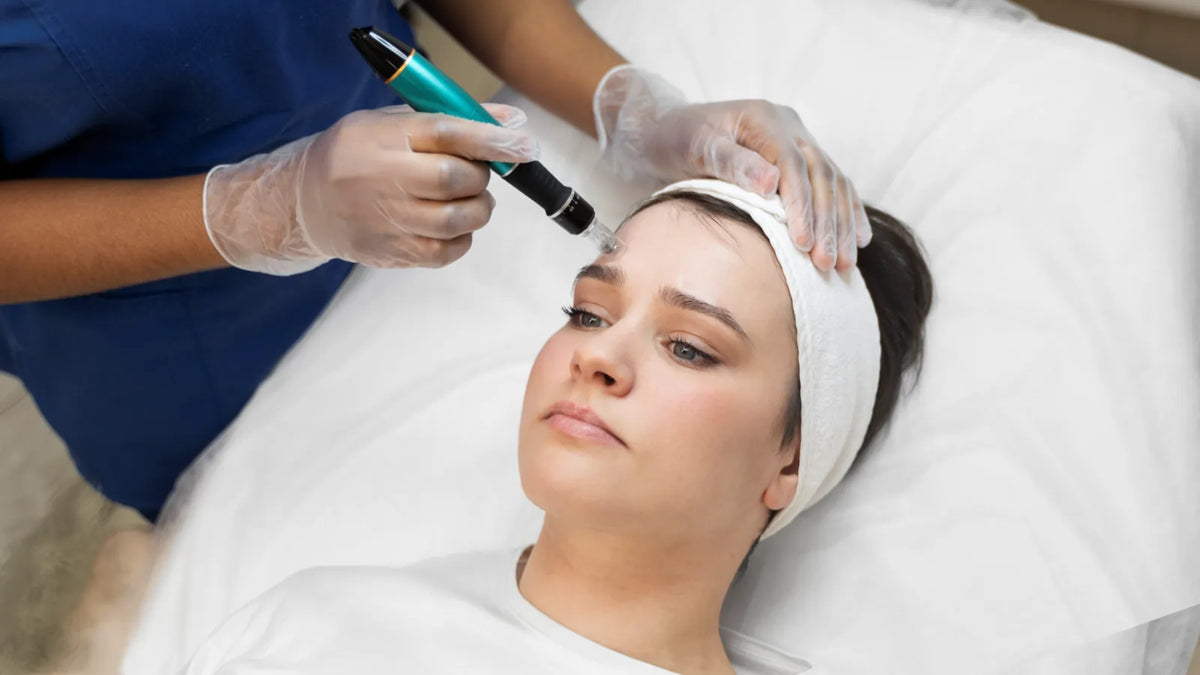
Microneedling can be suitable for rosacea-prone skin when done with the right technique and a gentle approach. Treatment depth and overall skin condition play a big role in how well it responds. Here’s how microneedling can help:
Strengthens the Skin Barrier
Microneedling supports the skin’s natural repair process, helping improve barrier function over time. A stronger barrier may reduce sensitivity and improve the skin’s ability to protect itself from external triggers.
Reduces Appearance of Enlarged Pores
The treatment helps minimize the appearance of enlarged pores by smoothing and evening out the skin, creating a more balanced and refined overall look.
Improves Skin Texture
Microneedling encourages gradual improvement in texture, helping the skin appear softer and more uniform without harsh exfoliation.
Supports Controlled Skin Renewal
The process promotes gentle renewal, which is better suited for rosacea-prone skin compared to more aggressive treatments.
Enhances Absorption of Soothing Serums
After microneedling, the skin becomes more receptive, allowing calming serums to absorb more effectively and deliver hydration deeper into the skin.
For rosacea, treatments must use shallow depths and gentle techniques to avoid irritation and maintain safety.

A potent hydrating formula combining pure hyaluronic acid, vitamins, and repair factors to plump fine lines, strengthen skin structure, and restore radiance.
When Microneedling Should Be Avoided
Microneedling should be used with extreme caution and is not always suitable for rosacea‑prone skin, especially under certain conditions.
The procedure should be avoided during active flare-ups, when redness, inflammation and sensitivity are already heightened. Treating the skin at this stage can worsen symptoms and delay recovery.
It should also be avoided if there is severe inflammation, broken skin or any form of infection. Performing microneedling on compromised skin increases the risk of irritation and complications. Extremely sensitive skin types may also react negatively, even with gentle techniques.
Consulting a dermatologist is essential before starting treatment. Professional evaluation helps determine whether microneedling is safe for rosacea and ensures the procedure is performed under the right conditions.
Safe Microneedling Approach for Rosacea

A safe and controlled approach is essential when performing microneedling on rosacea-prone skin.
The process should begin with gentle cleansing using soothing, non-irritating products to prepare the skin without triggering sensitivity.
A microneedling pen or Dr. Pen product should be used at minimal needle depth, suitable for sensitive skin. Keeping the depth shallow helps reduce the risk of irritation while still supporting mild renewal.
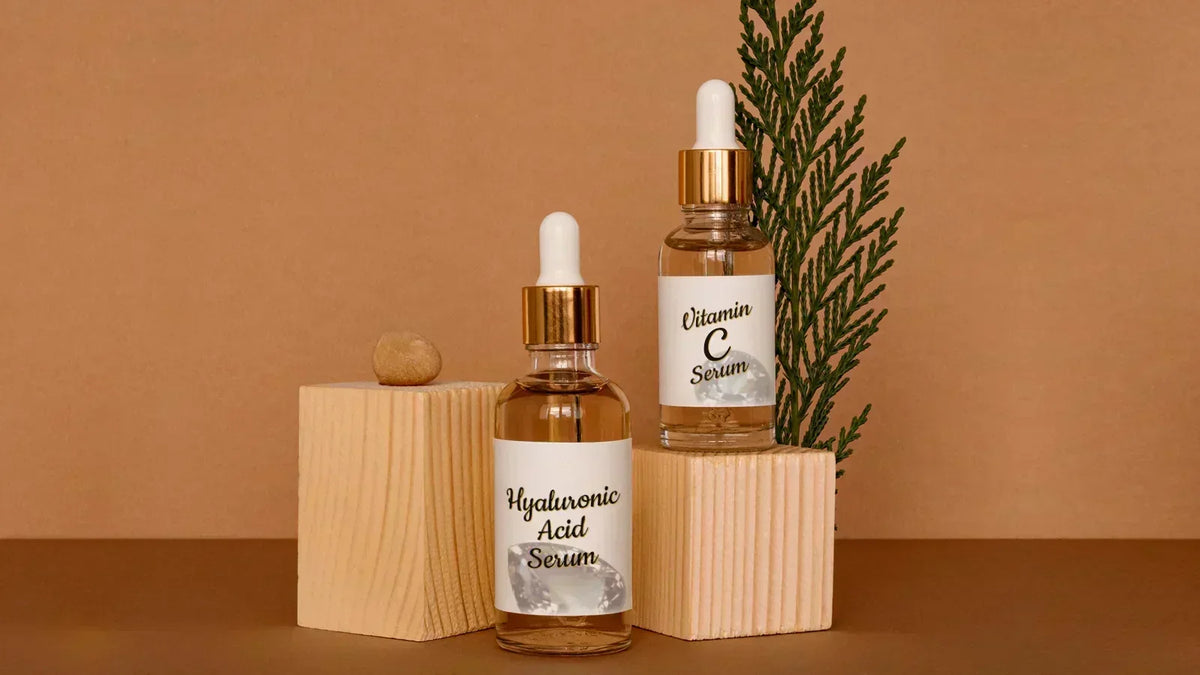
Calming serums for microneedling, such as those containing niacinamide or hyaluronic acid, should be applied to support hydration and reduce redness. These ingredients help maintain balance during the procedure.
Avoid aggressive passes or excessive pressure, as this can trigger inflammation. Gentle, controlled movements are key.
After treatment, strict post-care is important. This includes using proper sun protection and avoiding harsh skincare products.
Following these simple steps helps ensure a safer experience and supports gradual improvement without worsening rosacea symptoms.
Alternative Treatments for Rosacea
In some cases, alternative treatments may be more suitable than microneedling for rosacea-prone skin.
Laser or light therapy is often recommended to help reduce redness and visible blood vessels. These treatments target vascular concerns more directly.
Barrier-repair skincare is another important option. Products designed to strengthen the skin barrier can help reduce sensitivity and improve overall comfort.
Anti-inflammatory topical treatments may also be used to calm redness and prevent flare-ups.
These alternatives can be used alone or alongside microneedling, depending on individual needs. A personalized approach helps ensure safer and more effective results for sensitive skin types.
Safety Considerations and Professional Advice
Safety should always come first when considering microneedling for rosacea.
Before starting your treatment, it’s important to consult a qualified dermatologist. Professional guidance helps determine if microneedling is safe for rosacea based on your specific condition.
If the treatment is suitable for you, starting with conservative settings is important. Using shallow needle depths and gentle techniques helps minimize irritation while allowing the skin to adjust gradually.
Monitoring skin reactions closely is also necessary. Any signs of increased redness, discomfort or sensitivity should be taken seriously. Adjustments may be needed to avoid worsening symptoms.
After your treatment, any harsh skincare products should be avoided. Strong acids, retinoids and other active ingredients can irritate the skin and interfere with recovery.
Remember, taking a cautious and informed approach will help reduce risks. When performed correctly, microneedling can be adapted for sensitive skin, but professional supervision remains key for safe results.
Microneedling may be an option for patients whose rosacea flare‑ups are well controlled; however, the procedure itself can potentially trigger a new flare‑up and prolong the recovery period.

With your youthful, fresh, glowing skin, only your passport will show your age, and you’ll enjoy new self-confidence. A6S is an improved A6 classical model. Speed memory function.
Dr. Pen Microneedling for Sensitive, Rosacea-Prone Skin
Many people ask, is microneedling safe for rosacea, and the answer depends on proper technique and professional evaluation.
Microneedling can offer benefits for rosacea-prone skin, but it is not suitable in every situation. When performed carefully, it may help improve texture, support hydration and strengthen the barrier over time.
However, the treatment must be approached with caution. Using gentle techniques, shallow depths and appropriate serums is essential to avoid irritation.
With the right guidance and approach, Dr. Pen microneedling can help you achieve healthier-looking skin without the stress of unwanted reactions.